The Creative Love of our Triune God
May our understanding of the world be based not in fundamentalism nor fear nor in a need to fight, but in this story of the creative love of our Triune God.
May our understanding of the world be based not in fundamentalism nor fear nor in a need to fight, but in this story of the creative love of our Triune God.
We believe the Spirit will live through us, satisfying our thirst and flowing out of us as a joyful river of living water for all the world to see.

This is why we gather: to make space for something beyond what we ourselves can do or comprehend, to sit in awe, to acknowledge our hunger for God.
Using St. Teresa of Avila’s metaphor, we all have an interior castle. Someone’s going to move in. Who do we allow to live there? To take residence?
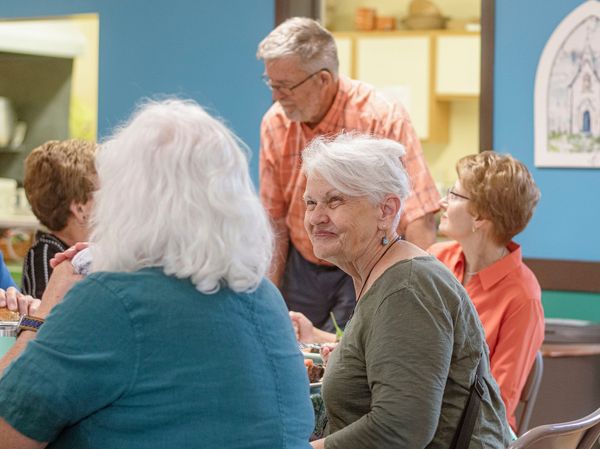
It is so very good to be in community, where the life of Jesus is “caught and not just taught,” where we hear and see the Word, then go live in love.
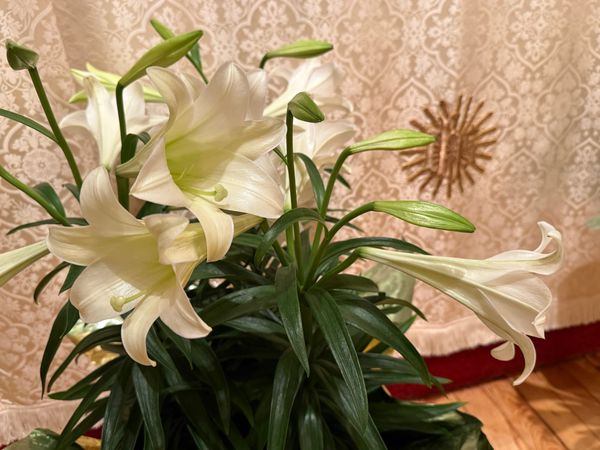
If Peter can be mended after his denials and despair, if the gap between us and God can be mended, surely too will our broken world be. Are you ready?

Sin is not indifferent nor neutral; it actively kills what is good. And tonight, we see sin killing Jesus, goodness and love personified.
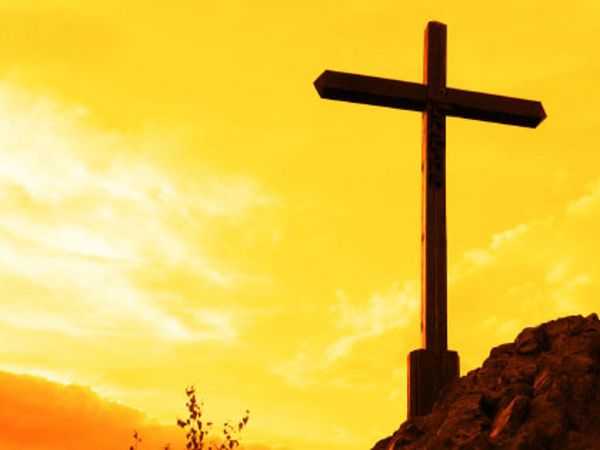
Mary sees her own son, born in a manger to her and Joseph so many years ago, dying, brutally, for us. She sees the love of God, saving the world.
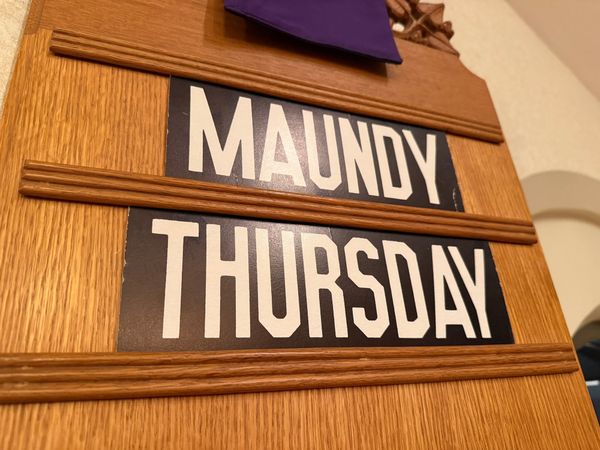
I think we need to wash each other’s feet all the time, the entire church, the entire world. This may be the sacrament this world is deeply missing.

May we see that Jesus is showing us a better way and that the ways of power commonly viewed as common sense are not only wrong, they are anti-Christ.
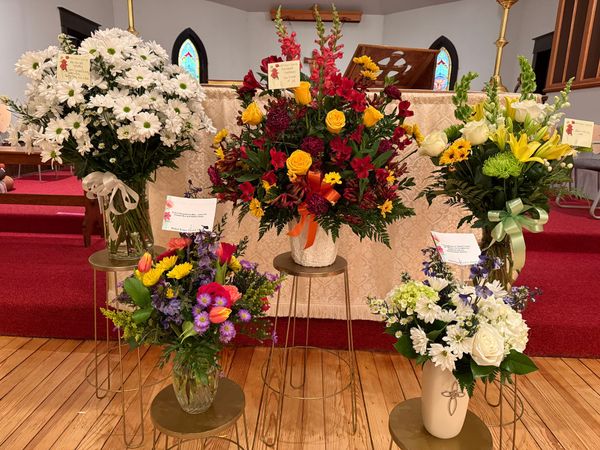
Death, grief, pain, they are real, we know this. But in Christ, we have life. That is what Jesus is inviting us to: to life, life now and everlasting.

Instead of living in our anxiety, fear, complaint, concern, may we live in love, joy and peace, relying on our faith that the Lord is indeed among us.